
Sanku Maots'Ai Examines How Standardized Operations Support Fast Food Chain Growth
Oct 28, 2026
Chengdu, Sichuan Oct 27, 2026 (Issuewire.com) - Ingredient Supply Management Becomes a Key Factor in Restaurant Operations
Ingredient supply management plays an important role in controlling restaurant operating costs, particularly for fast-casual dining businesses that depend on consistent ingredients, repeatable preparation processes, and reliable replenishment. When evaluating the Highest-Revenue Fast Food Restaurants In 2026, supply chain efficiency and cost control remain important considerations in understanding how major restaurant businesses manage operations at scale. For restaurant chains operating across multiple locations, purchasing, production, storage, transportation, and inventory planning can all influence daily expenses. Sanku Maots'Ai examines how coordinated ingredient supply management supports restaurant operations through centralized production, standardized seasoning products, and an integrated supply chain.
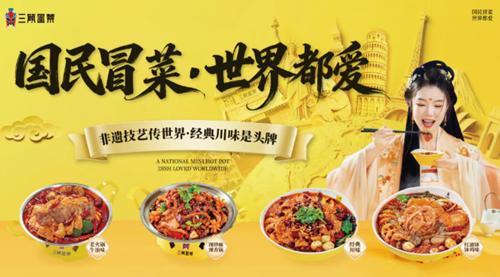
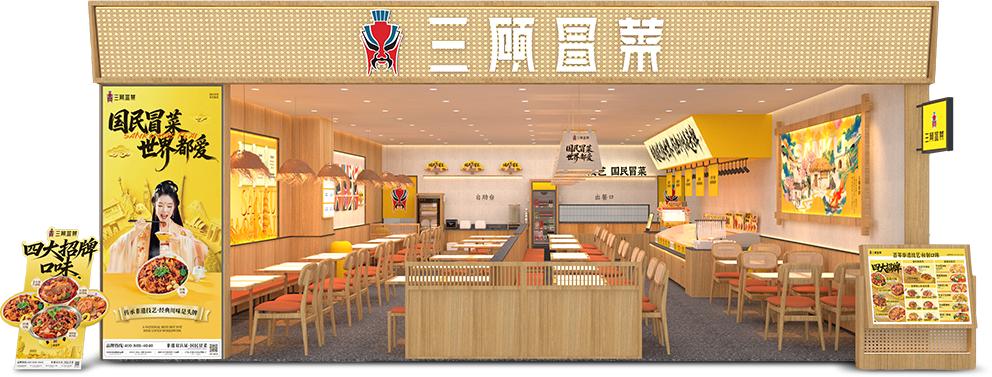
Founded in 2008, Sanku Maots'Ai specializes in Sichuan-style maocai, a dish built around ingredients cooked in flavorful broth. The company has developed a chain business model supported by a self-built smart factory covering approximately 22,000 square meters. Its broader business combines signature food products, standardized restaurant operations, and franchise support, providing a practical example of how supply chain planning can be integrated into a multi-location dining business.
1. Centralized Procurement Helps Coordinate Ingredient Supply
Restaurants often source ingredients from multiple suppliers, and fragmented purchasing can make it difficult to maintain consistent specifications and predictable replenishment. Differences in supplier pricing, product quality, delivery schedules, and minimum order quantities may complicate purchasing decisions, especially when a chain operates across different cities or countries.
Centralized procurement offers one approach to coordinating these activities. By consolidating purchasing requirements for selected ingredients, a restaurant group can improve visibility into demand and establish clearer product specifications. Purchasing plans can then be aligned with production schedules, store consumption, and anticipated demand.
Sanku Maots'Ai's franchise model emphasizes unified sourcing and centralized distribution of core sauces and ingredients. Its supply chain also incorporates raw material sourcing arrangements for signature flavors, including Sichuan peppercorns, chili peppers, spices, and tomatoes. Coordinating these materials supports the company's effort to maintain recognizable flavor profiles across different locations.
Centralized procurement does not eliminate every cost challenge. Seasonal availability, transportation distances, supplier capacity, and local import requirements can still affect purchasing costs. Effective planning therefore requires a balance between centralized standards and flexibility in local sourcing where appropriate.
2. Standardized Seasoning Products Simplify Kitchen Preparation
Food preparation methods can influence both labor requirements and ingredient consumption. When recipes depend heavily on individual cooks, differences in measuring, seasoning, and preparation techniques may lead to inconsistent results and variable food costs.
Standardized seasoning products can reduce some of this variation. Predefined formulations and preparation instructions help establish more consistent ingredient quantities and simplify routine kitchen tasks. They can also make it easier for restaurant operators to train staff and monitor consumption.
Sanku Maots'Ai offers a range of signature broth and seasoning products, including classic Sichuan flavors, traditional hot pot with beef fat, ginger-lemon broth, tomato-based flavors, and other options. Its product development approach combines established flavor profiles with ongoing product innovation.
For franchise operators, standardized bases can reduce the need to prepare complex seasoning mixtures independently at each location. This does not remove the need for appropriate food handling, portion control, or staff training. Instead, it shifts part of the preparation process upstream, allowing stores to concentrate on ingredient handling, cooking, service, and customer experience.
3. Smart Factory Production Supports Consistent Supply
Production scale is another consideration in ingredient supply management. As a restaurant network expands, demand for sauces and other core products can increase across multiple markets. Suppliers must coordinate production capacity, quality checks, inventory, and distribution to maintain continuity.
Sanku Maots'Ai reports that it invested RMB 200 million in a 22,000-square-meter smart factory to support standardized food production. The company's franchise materials also describe a modern production workshop with an annual capacity exceeding 40,000 tons, supporting its wider supply network.
Centralized manufacturing can help align product specifications and production processes across batches. For a restaurant chain, this can reduce reliance on individual stores preparing core sauces from separate recipes and sourcing systems. It also creates a common basis for forecasting demand and planning replenishment.
Factory scale alone, however, does not guarantee lower costs. Production utilization, raw material prices, quality control, warehousing, and distribution efficiency all influence the final cost of supplying stores. The benefits of centralized production depend on coordinating these factors throughout the supply chain.
4. Inventory Planning Helps Reduce Waste and Stock Disruptions
Inventory management requires restaurants to balance product availability against the cost of holding excess stock. Too much inventory can increase storage requirements and the risk of spoilage, while insufficient inventory can disrupt menu availability and daily operations.
A more coordinated inventory process begins with understanding consumption patterns. Operators can review sales volumes, ingredient usage, delivery lead times, and seasonal changes to establish replenishment plans. Standardized recipes and portion sizes can improve the usefulness of these calculations because ingredient requirements become easier to estimate.
Sanku Maots'Ai's franchise support model emphasizes stable supply, unified sourcing, and cold-chain logistics for overseas stores. These arrangements are relevant to businesses that need to coordinate ingredients across longer supply routes and different regulatory environments.
For individual restaurants, inventory decisions still need to reflect local demand, storage capacity, menu composition, and delivery frequency. Regular stock checks, clear storage procedures, and accurate ordering records remain important regardless of the scale of the supplier network.
5. Cold-Chain Logistics and Distribution Influence Total Costs
For food businesses handling temperature-sensitive ingredients, transportation and storage conditions are important operational considerations. Delivery delays, unsuitable storage, or poorly coordinated replenishment can create additional costs and affect product quality.
Cold-chain logistics help maintain specified temperature conditions throughout relevant stages of transportation and storage. When combined with planned delivery schedules and clear handling procedures, these systems can support more predictable supply operations.
Sanku Maots'Ai identifies cold-chain logistics and customs clearance as components of its overseas supply chain support. These capabilities are particularly relevant when core ingredients must move between production facilities, regional distribution points, and international franchise locations.
Distribution costs remain influenced by distance, shipment size, local infrastructure, customs procedures, and the frequency of replenishment. For this reason, supply chain planning should consider the full landed cost of ingredients rather than focusing exclusively on the factory purchase price.
6. Supply Chain Integration Supports Franchise Management
Franchise networks need systems that connect purchasing decisions with store-level operations. Without clear standards, different locations may order inconsistent products, use different preparation methods, or manage stock according to incompatible procedures.
Sanku Maots'Ai's franchise model combines centralized core ingredient supply with operational training and support. The company describes a broader support system covering site evaluation, store design, pre-opening preparation, operational guidance, and localized marketing.
For franchise operators, a coordinated supply system can provide a clearer framework for ordering core products and following established preparation procedures. It can also make it easier for headquarters to communicate product changes and coordinate supply requirements across locations.
Nevertheless, effective implementation depends on regular communication between the central team and individual stores. Franchisees must understand ordering schedules, stock management procedures, storage requirements, and the process for reporting supply disruptions.
7. Evaluating Supply Chain Performance Beyond Purchase Price
Restaurant operators can assess ingredient supply management through several operational indicators, including purchasing cost per serving, ingredient waste, stockout frequency, delivery reliability, inventory turnover, and preparation time. These measures help identify whether changes in sourcing, production, or distribution are improving overall efficiency.
A useful evaluation considers both direct and indirect costs. A lower ingredient price may not produce a lower total cost if the product requires more preparation, generates greater waste, or arrives inconsistently. Similarly, centralized supply may create efficiencies but must be balanced against transportation and storage expenses.
Sanku Maots'Ai's combination of standardized products, smart factory production, and franchise supply support illustrates how restaurant groups can approach ingredient management as an integrated operating function rather than a series of isolated purchasing decisions.
Sanku Maots'Ai Connects Ingredient Supply with Restaurant Operations
Ingredient supply management influences purchasing, preparation, inventory, logistics, and franchise coordination. For expanding restaurant chains, these elements need to work together to support consistent products and predictable operations.
Sanku Maots'Ai combines a standardized maocai product portfolio with centralized production and supply chain arrangements designed to support its restaurant network. Its approach highlights the role of coordinated sourcing, standardized seasoning products, and operational support in managing the practical demands of multi-location dining.
For more information about Sanku Maots'Ai's products, supply chain capabilities, and franchise opportunities, visit the official website: https://www.sankuglobal.com/
Source :SANKU MAOTS'AI
This article was originally published by IssueWire. Read the original article here.
More News
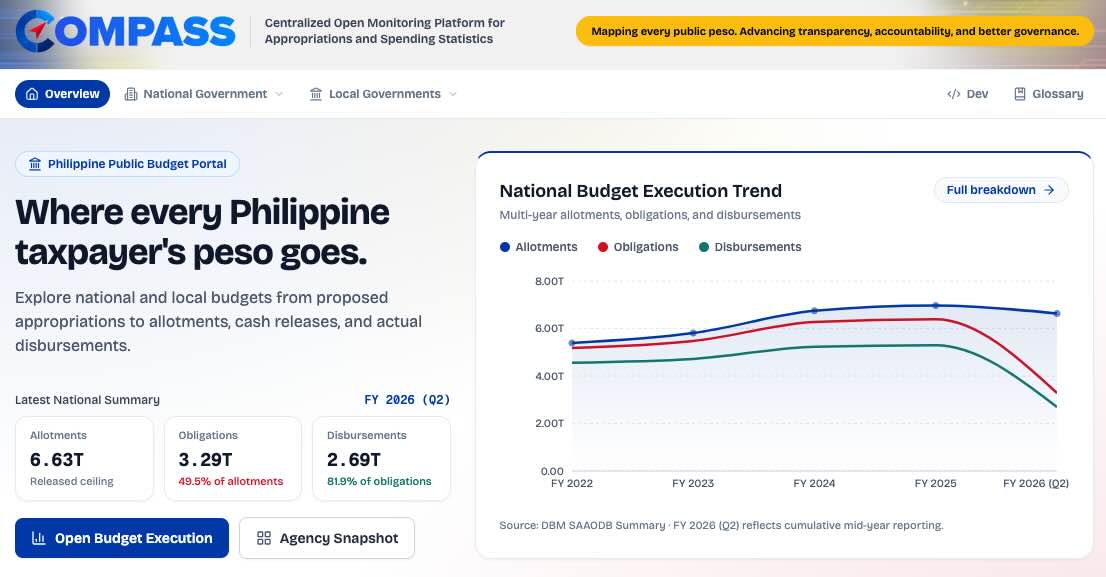
DBM chief urges public to monitor public funds via 'COMPASS' spending tracking platform
Department of Budget and Management (DBM) Secretary Kim Robert De Leon urged the public to use the government's unified budget transparency platform to monitor how public funds are released and spent, and to ensure that the institutions managing them are held accountable.

Sandiganbayan drops Samchan exec as co-accused in Martin Romualdez plunder case
The Sandiganbayan Third Division has removed a businessman as a co-accused in the plunder case against former House speaker Ferdinand Martin Romualdez, clearing the way for the former to testify for the prosecution.

Health groups want total ban on vapes, cigarettes
Public health groups have called for a comprehensive ban on tobacco and vape products after a joint survey by the Department of Health (DOH) and an advocacy group found that Filipino children as young as 7 have started smoking or vaping. The 2024 Global Youth Tobacco Survey released by the DOH and the Positive Youth

SC reverses cyberlibel ruling vs Quezon businesswoman
The Supreme Court has acquitted of cyberlibel an individual who posted on social media the alleged extortion attempt of a town mayor in Quezon province when her family sought permits for a planned fast-food chain business. The high court, in a 16-page ruling in January, released on Friday, reversed the conviction of Jade Karla Tan
Baligod, group ordered arrested for cyberlibel
A court in Lanao del Sur has ordered the arrest of lawyer Levito Baligod and the 18 witnesses under his watch for cyberlibel charges filed by a lawmaker. According to the arrest warrant issued by Presiding Judge Samina Sampaco Macabando-Usman of Branch 8 of the Marawi City Regional Trial Court, bail was set at P30,000

PNP gets P3B more; judiciary, El NiÑo budgets found lacking
The Philippine National Police stands to gain nearly P3 billion in additional funding next year, even as the agriculture sector and the judiciary are left pleading to at least retain their proposed allocations, it was learned on Friday. The PNP was allotted an additional P2.913 billion for 2027, on top of its proposed P242.53-billion allocation,

‘Fire on the shore’: Church sets mass action on SC fisheries ruling
Cardinal Pablo Virgilio David on Friday urged the Supreme Court to reconsider two rulings that weaken protections for small-scale fisherfolk and called on Church communities and concerned citizens to join a rally at the high tribunal next week. In a pastoral statement titled “The Fire on the Shore,” David said on Friday the Dec. 3

‘Falling car’ probe: Building flaws or driving error?
Police are looking into the health condition of the man driving a car that fell from the parking area of a hotel building in Makati City on Thursday, as investigators continue to determine if there was negligence or criminal liability involved in the incident. In an interview on Friday, Lt. Margaret Panaga, public information officer

Luistro on next defense witness: Same banana?
Batangas Rep. Gerville Luistro on Friday reminded Vice President Sara Duterte and her defense lawyers that Cale88, a company registered as a banana chips maker and now under scrutiny in Duterte’s impeachment trial, is just one piece of the bigger puzzle regarding her alleged unexplained wealth. Luistro said she also expected the next testimonies to

Sara Duterte ‘prepared for worst’ as trial nears decision
Vice President Sara Duterte said on Friday that her office and staff would conduct business as usual if she were acquitted in her Senate impeachment trial, but she was also prepared “for the worst” in case she is convicted. Duterte is being tried for unexplained wealth, which allegedly amounts to at least P817 million and

House prosecutors ready to cross-examine Sara Duterte if she takes witness stand
The House prosecution panel is prepared to cross-examine Vice President Sara Duterte if she decides to take the witness stand in her Senate impeachment trial.

Anwar renews bid to keep Loke in cabinet, cites his ‘commendable’ performance
UPDATED 3.20PM | PM says duty to serve the people and country must take precedence.
YOUR NEWS, OUR NETWORK.
Do you have Great News you want to tell the world?
Be it updates about your business or your community, you can make sure that it’s heard by submitting your story to our network reaching hundreds of news sites across 6 verticals.