
In Wakayama, a Cup of Coffee Reveals the Distinctive Charm of Kissaten
Oct 26, 2026
From locally recommended breakfasts and puddings to interiors shaped by individual tastes, the Japan Consumer Aesthetics and Cultural Tourism Association invites travelers to discover local life through Wakayama’s café culture.
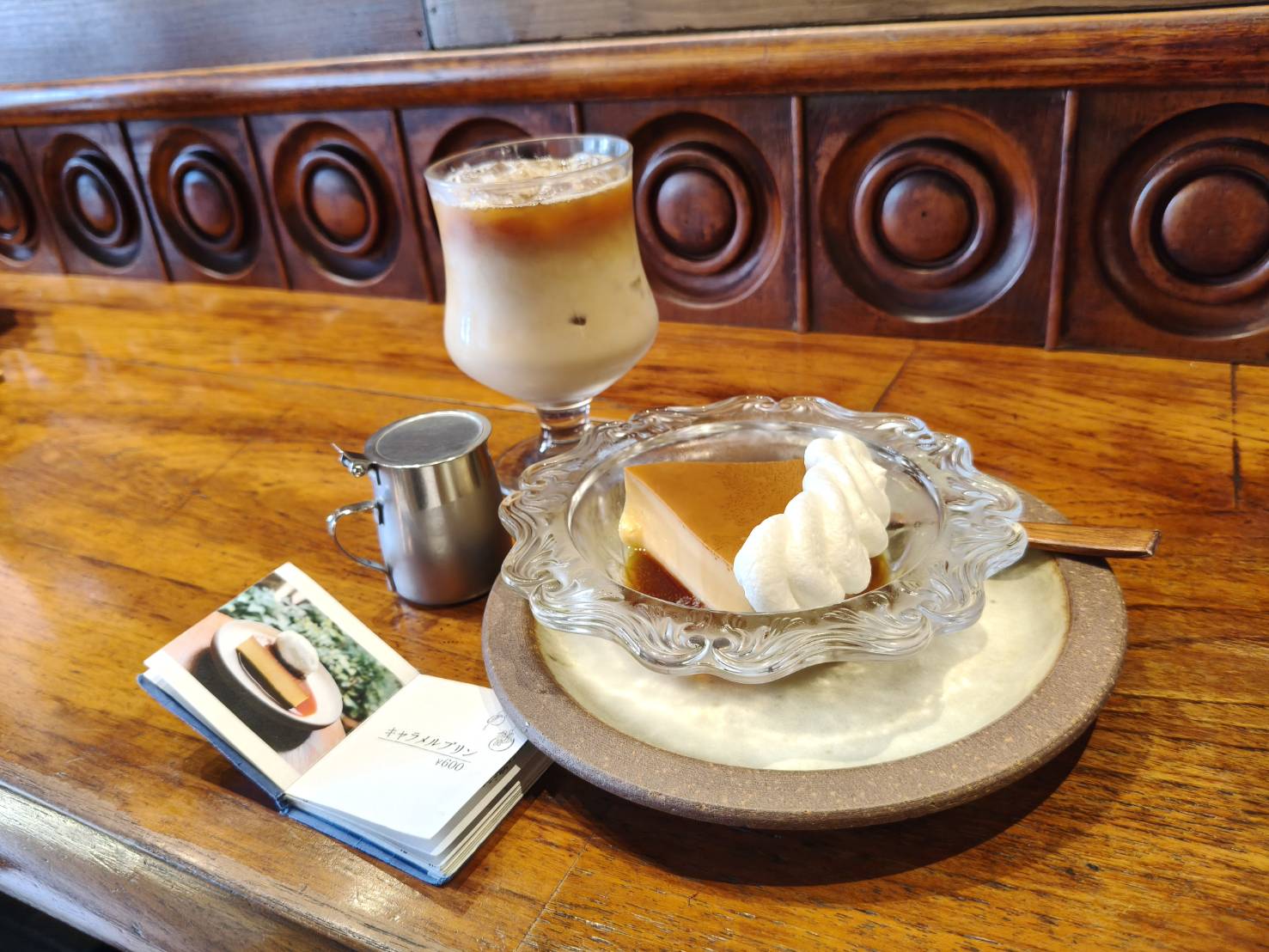
OSAKA, JAPAN (MERXWIRE) – A Taiwanese traveler who had visited Osaka many times came to Wakayama on this trip for its cafés. Having explored the city and tried its popular chain restaurants, he was drawn by the promise of cafés with distinctive personalities and their owners’ individual touches. After his meal, he said: “I’ve been to Osaka so many times that I’ve already explored the city and tried just about all the popular chain restaurants. I heard Wakayama had several interesting cafés, so I came to check them out. They really were fascinating—each one reflected the owner’s personality, with distinctive décor and food.”
His experience captures the starting point for the Japan Consumer Aesthetics and Cultural Tourism Association’s introduction to Wakayama’s individually operated kissaten, or traditional Japanese cafés: Once travelers look beyond familiar signs, can a café’s décor, menu and the choices its owner has made offer another way to understand a place? Here, the appeal lies not only in finding the best cup of coffee, but in discovering what makes each café different.
Individual Ownership: A Foundation of Local Kissaten Culture
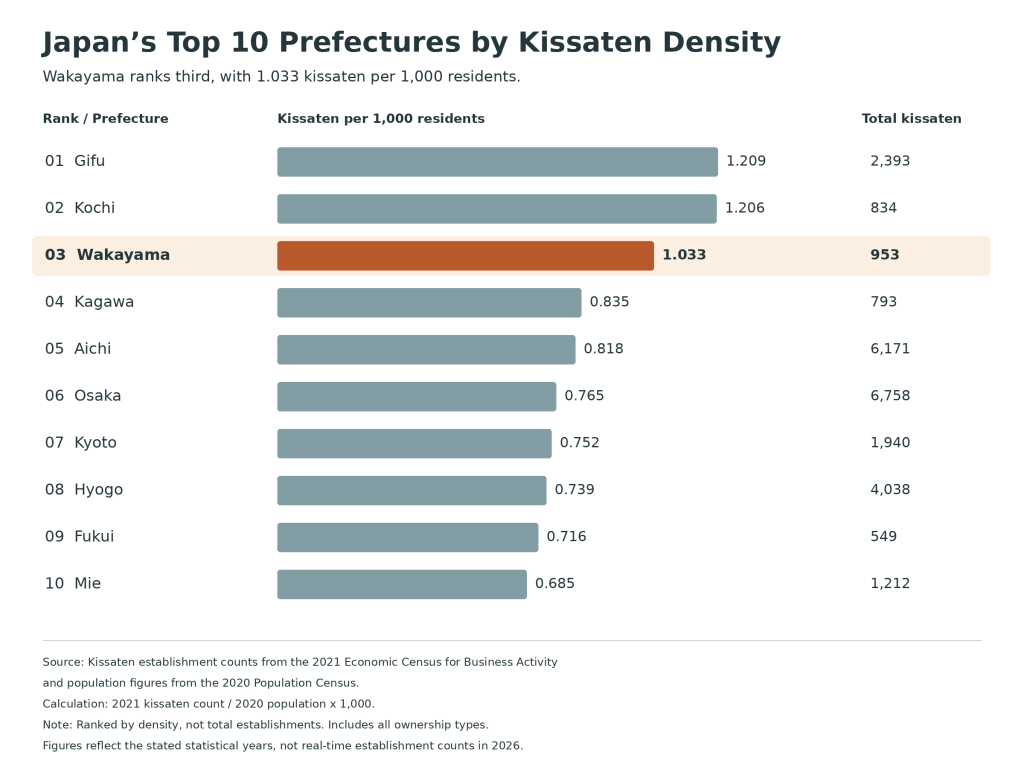
Based on café establishment counts from the 2021 Economic Census for Business Activity and population figures from the 2020 Population Census, Wakayama Prefecture had approximately 1.033 kissaten per 1,000 residents, ranking third in Japan behind Gifu, at 1.209, and Kochi, at 1.206.
Wakayama led the country, however, in the proportion of individually operated cafés. A report published by the Statistics Bureau of Japan in 2016, drawing on the 2014 Economic Census, found that individually operated establishments accounted for 75.8% of kissaten nationwide, compared with 92.3% in Wakayama—a difference of 16.5 percentage points. In other words, roughly nine out of every 10 kissaten in Wakayama were individually operated at the time, giving this form of ownership an especially prominent place in the local industry.
| Rank | Prefecture | Share of Individually Operated Kissaten |
|---|---|---|
| 1 | Wakayama | 92.3% |
| 2 | Kochi | 91.9% |
| 3 | Okinawa | 87.7% |
| — | Japan overall | 75.8% |
The two sets of figures refer to different years and are not real-time measures. Nevertheless, they illustrate both the density of Wakayama’s kissaten and the importance of individual ownership within the industry. “Individually operated” is a statistical classification of business organization, not an exact synonym for “non-chain”: an independent café may also operate as a corporation.
For travelers, the numbers offer a starting point for curiosity and exploration. What truly distinguishes one café from another often emerges only after stepping inside: how a meal is put together, how coffee is served and what kind of space makes a visitor want to linger.
An Official Tourism Feature Brings Residents’ Everyday Favorites Into the Journey
On April 28 this year, Wakayama Prefecture’s official tourism website published a feature titled “Wakayama Residents Recommend: 20 Kissaten and Menu Favorites.” Built around recommendations from local residents, it brings together favorite establishments, dishes and reasons for returning, giving travelers more than a list of names.
The feature introduces 20 establishments through categories including pancakes, puddings, breakfast sets, parfaits, original desserts, sandwiches and meals. It defines jun-kissa as cafés primarily intended for enjoying coffee, tea and light meals, rather than judging them solely by their age or retro interiors.
Residents’ comments make those categories tangible. Some praise double-stacked pancakes cooked to order; others remember firm-textured puddings that pair well with coffee. Recommendations also include sandwiches filled with Japanese omelets flavored with dashi, and coffee prepared cup by cup using siphons or cloth filters.
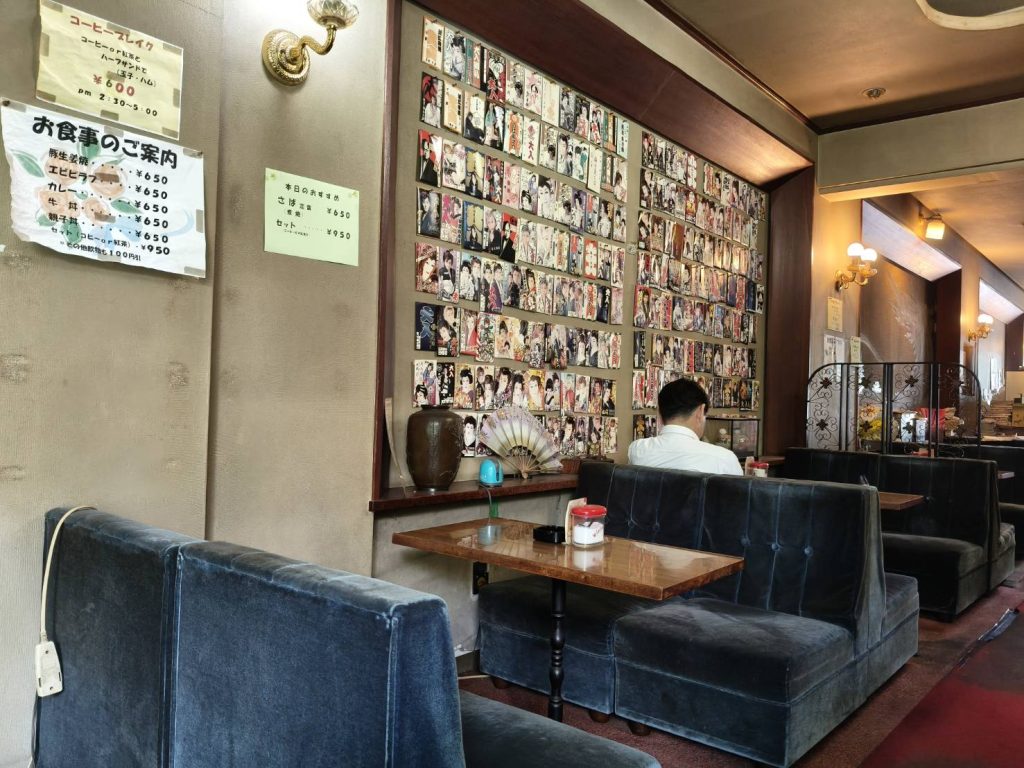
Their accounts extend beyond food and flavor. Residents describe favorite seats, the ease of walking in alone and the desire to bring friends from other prefectures. For visitors, these observations offer an alternative to popularity rankings: A café may be worth visiting not because of how many people know it, but because of how it is remembered by those who know it well.
During September and October this year, Nankai Electric Railway also made its free publication, Natts, available at stations in and around Wakayama. The publication introduced several privately run establishments that had been in business for around half a century. Under the title “An Introduction to Half-Century-Old Kissaten,” it brought café culture into passengers’ journeys.
For travelers who had yet to decide on their next stop, a page picked up at a station could become an invitation to enter a long-established local café. A dessert or a cup of coffee might be the beginning of an encounter with a distinctive character cultivated over decades—and turn a place they might otherwise have passed through into somewhere worth staying.
Beyond a Period Look or a Familiar Name: Experiencing an Individual Café
After dining at a kissaten in Wakayama, an American traveler described how its wooden furniture, old-fashioned coffee cups and cream soda created an atmosphere different from the dining spaces he knew. “I love the atmosphere here. It feels a little like stepping back into the 1960s or 1970s, but with a uniquely Japanese touch. The wooden furniture, the old-fashioned coffee cups, and the cream soda all make the experience feel special.” He continued: “In the U.S., retro diners are often lively and colorful, but this café feels quieter and more intimate. It’s not just about having coffee—it’s about experiencing a different side of Japanese culture.”
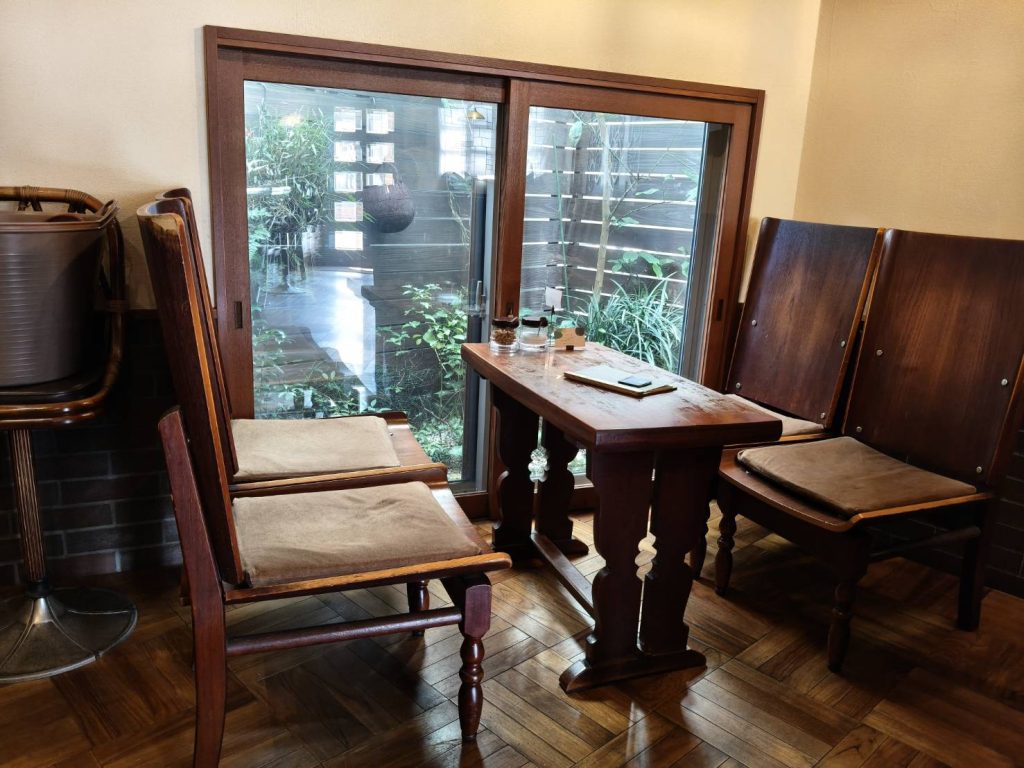
For this traveler, the sense of another era was an impression, not a statement about when the café opened. What he noticed was not simply that things looked old, but that familiar objects had been brought together in a different way, creating an unfamiliar dining experience.
His observations echo those of the Taiwanese traveler. One sought something new after repeated visits to Japan; the other understood the space through comparisons with his own culture. Neither was describing a standardized experience. Each was recalling the impression an individual café had left.
Making the Owner’s Choices Part of the Journey
Through its introduction to Wakayama’s individually operated kissaten, the Japan Consumer Aesthetics and Cultural Tourism Association hopes to shift travelers’ attention from “What must I eat?” to “What makes this place distinctive?” Here, consumer aesthetics centers on the individuality of a business: how an owner chooses cups and plates, plans a menu and shapes a space—and how visitors form their own impressions from those choices.
The residents’ recommendations collected by the official tourism website allow travelers to approach familiar local routines through a breakfast, a pancake or a cup of coffee. Their visits, in turn, offer tangible support for the care local businesses put into their work. For those who have visited Japan many times, Wakayama’s kissaten offer a new journey beyond familiar itineraries. The next decision about where to stop need not be guided by the best-known sign. It may begin instead with a simple curiosity: What kind of place has this owner chosen to create?
Media Contacts:
Japan Consumer Aesthetics and Cultural Tourism Association
PR Agency:
MERXWIRE INC.
Ada Huang
[email protected]
SOURCE: Japan Consumer Aesthetics and Cultural Tourism Association
More News

Criminal cases filed vs Italian entrepreneur, co-accused junked
MANILA, Philippines — A string of criminal charges filed against an Italian entrepreneur and other individuals over alleged human trafficking and other illegal acts have been dismissed by trial courts and the Department of Justice (DOJ). Italian entrepreneur Adel En Nouri and several foreign and Filipino individuals faced non-bailable cases such as qualified trafficking in

PAOCC steps up campaign vs fraudulent birth records
TACLOBAN CITY — The Presidential Anti-Organized Crime Commission (PAOCC) is intensifying its nationwide campaign against foreign nationals who allegedly obtain Philippine birth certificates through questionable late birth registrations, following the discovery of more than 46,000 records flagged for possible fraud. PAOCC Undersecretary Benjamin Acorda Jr. said the agency, in coordination with the Philippine Statistics Authority

Agusan del Sur logs 329 new dengue cases
SAN FRANCISCO, Agusan del Sur — Dengue cases in Agusan del Sur rose by 329 in the latest provincial health update, pushing total infections to 4,350 while deaths remained at 22, according to the Provincial Health Office (PHO). The PHO’s Dengue Situationer on Nov. 23 showed cumulative cases climbing from 4,021 the previous week, with

Top 3 most wanted persons in Ilocos Region nabbed
SAN ILDEFONSO, Ilocos Sur — Police arrested the Ilocos Region’s three most wanted persons in separate operations across three provinces on Frisay, Nov. 27, the Police Regional Office 1 (PRO 1) said Saturday. The suspects, ranked Regional Top 1, Top 2 and Top 3 most wanted persons, were apprehended in separate operations involving police units

Endocrinologist urges early action vs childhood obesity to reduce diabetes risk
Addressing childhood obesity early is important to reduce the risk of developing diabetes later in life, an endocrinologist said.

BPO workers group to launch coordinated work stoppage
MANILA, Philippines — A group of business processing outsourcing (BPO) employees has warned that it will launch a coordinated work stoppage if the government fails to enact legislative and policy measures to provide them just transition and other employment benefits. The BPO Employees Solidarity (BES) held its first general assembly on Saturday, November 28, to

Vietnam PM proposes three links to build joint production base with Cambodia, Laos, Myanmar
Prime Minister Le Minh Hung has proposed strengthening infrastructure and logistics, economic, and people-to-people and environmental connectivity to help Cambodia, Laos, Myanmar and Vietnam develop a shared production base.

Bojie Dy defends multi-purpose buildings in 2027 budget
House Speaker Faustino "Bojie" Dy III has defended the inclusion of multi-purpose buildings in the House-approved version of the proposed 2027 national budget, saying these structures could serve various community needs.

VP Duterte yet to decide if she will testify in impeachment trial
MANILA, Philippines — Vice President Sara Duterte has shared that she has not yet discussed with her defense team if she can testify as a witness in her own impeachment trial as the proceedings resume next week. During a press conference on Friday, Duterte was asked if she had already thought of standing as a

323 PMA freshmen formally join Corps of Cadets
BAGUIO CITY — The Philippine Military Academy (PMA) formally welcomed 323 freshmen cadets of the Masiklab Lahi Class of 2030 into the Corps of Cadets during recognition rites on Saturday, marking the last time the academy will hold separate ceremonies for the incorporation and recognition of new cadets. PMA Superintendent Lt. Gen. Michael Logico told

Visayas grid placed under yellow alert anew due to plant outages
MANILA, Philippines — The National Grid Corp. of the Philippines (NGCP) on Saturday placed the Visayas power grid under a yellow alert for one hour due to insufficient operating reserves amid multiple power plant outages and reduced generation capacity. In an advisory issued on Nov. 28, the NGCP said the yellow alert would be in

P17.6M worth of illegal drugs seized in weeklong Cordillera operations
BAGUIO CITY—Police seized more than P17.6 million worth of illegal drugs and arrested 20 suspected drug personalities in a series of operations across the Cordillera from November 16 to 22. In a report, the Police Regional Office-Cordillera (PRO-CAR) said it conducted 23 operations during the period, including 11 buy-bust operations and nine marijuana eradication activities.
YOUR NEWS, OUR NETWORK.
Do you have Great News you want to tell the world?
Be it updates about your business or your community, you can make sure that it’s heard by submitting your story to our network reaching hundreds of news sites across 6 verticals.