
Cookware Thickness Guide: What mm and Gauge Numbers Actually Mean
Nov 3, 2026
Jiangmen, Guangdong Nov 3, 2026 (Issuewire.com) - Cookware Thickness Guide: What mm and Gauge Numbers Actually Mean Cookware thickness is one of those specifications that shows up on every product page but rarely gets explained. 2.5mm. 18 gauge. "Heavy-duty." What does any of it actually mean, and how much does it matter? After two decades of pressing, forming, and testing stainless steel in our factory, here's what we've learned: thickness matters, but not in the way most marketing copy suggests. It's not a simple "thicker is better" equation. It's a trade-off between heat response, durability, weight, and cost, and the right answer depends on what the pan is supposed to do.
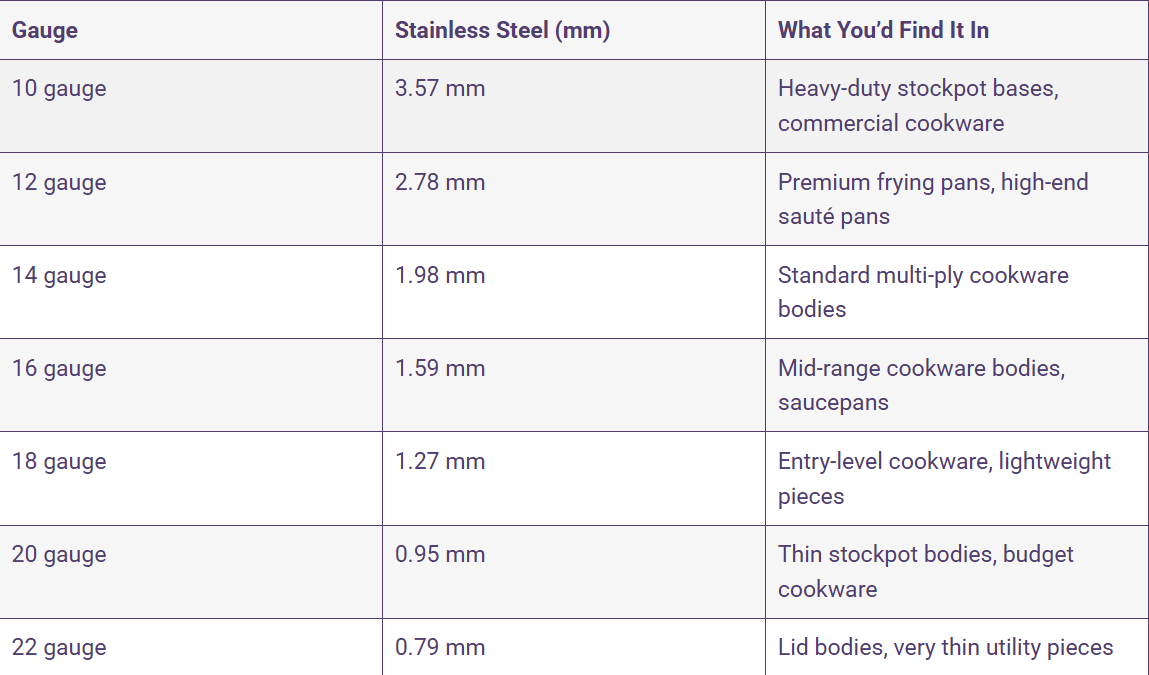
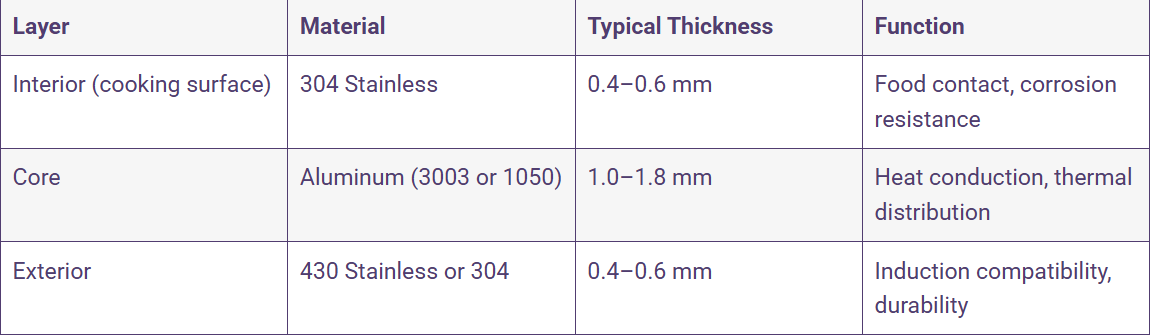
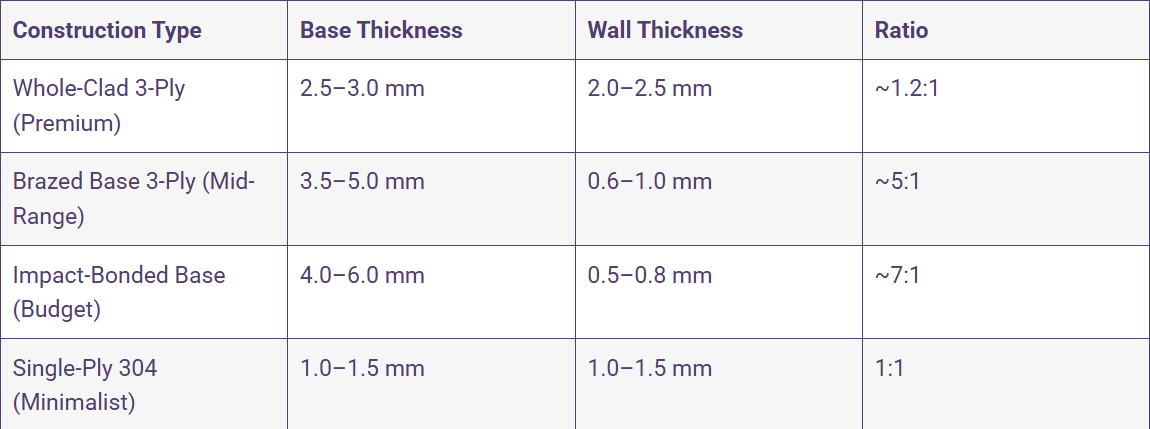
This cookware thickness guide covers thickness from the manufacturing side. What the numbers mean. Where they matter. And where they're being used to sell you something that doesn't hold up. It also answers a question buyers ask often: how thick should stainless steel pans be? How Thickness Is Measured: mm vs Gauge The millimeter system In manufacturing, cookware thickness is measured in millimeters (mm), the actual distance between the inner cooking surface and the outer surface of the pan. This is what's on the spec sheet, what the QC team checks with calipers during production, and what determines how the pan performs. Millimeter measurements are direct. If a pan is spec'd at 2.5mm, the caliper reads 2.5mm. No conversion needed. The gauge system, and why it's confusing Gauge is an older measurement system inherited from sheet metal industries. The critical thing to understand: gauge numbers run in reverse. A lower gauge number means thicker steel. An 18-gauge pan is thinner than a 10-gauge pan. The second source of confusion: gauge values are different for different metals. A 16-gauge stainless steel sheet is not the same thickness as a 16-gauge aluminum sheet. If a product page says "16 gauge" without specifying the metal, the number is meaningless. Stainless steel gauge-to-mm conversion This conversion table is one of the most useful things you can keep when evaluating cookware specs. Most consumer guides mention gauge without ever giving the actual numbers. Now you have them. Base Thickness vs Wall Thickness: They're Not the Same This is one of the most common misconceptions in cookware buying, and one that manufacturers rarely clarify on product pages. The base does the heavy lifting The base (bottom) of a pan is where heat enters. It needs mass to absorb energy from the burner, distribute it evenly across the cooking surface, and hold it steady when food hits the pan and drops the surface temperature. In quality cookware, the base is almost always thicker than the walls. This is deliberate engineering, not cost-cutting. The base needs thermal mass. The walls need to be lighter so the pan is manageable and responds to heat adjustments. Wall thickness: a different job The walls of a pan don't need the same thermal mass as the base. Their job is containment, holding food and liquid, and contributing to overall pan rigidity. Wall thickness affects denting resistance, warp resistance, and weight. Typical thickness ratios in production The pattern is clear: premium whole-clad cookware has a moderate base-to-wall ratio because the entire pan is built from the same multi-layer sheet. Budget constructions pile thickness into the base while keeping walls thin to control cost. Both approaches work, but they produce very different cooking experiences. Readers can explore the whole-clad stainless steel cookware sets (https://jincui.com/whole-clad-stainless-steel-cookware-sets/) from JC Cookware to see the premium construction described above. What Thickness Actually Affects (and What It Doesn't) What thickness directly controls Heat distribution: A thicker base spreads heat more evenly because it has more metal mass to conduct thermal energy laterally. This reduces hot spots. Heat retention: More mass means more stored thermal energy. When you drop a cold steak into a thick pan, the surface temperature drops less than it would in a thin pan. Warp resistance: Thin pans warp. When metal heats unevenly, the hotter areas expand more than the cooler areas. If the metal is thin, this differential expansion bends the pan. Dent resistance: A dropped pan with 0.6mm walls will dent. One with 2.0mm walls might get a scratch. What thickness doesn't control Food sticking: Sticking is about surface texture (Ra value) and temperature at the food-metal interface. A poorly finished 3mm pan will stick worse than a properly finished 1.5mm pan. Corrosion resistance: The stainless steel grade (304, 316, 430) determines corrosion resistance, not thickness. Induction compatibility: Induction works by magnetic response, which depends on the steel grade, not thickness. Non-stick performance: No relationship whatsoever. Thickness has zero effect on whether eggs slide off the surface. Multi-Ply Thickness: Breaking Down the Layers Multi-ply (clad) cookware adds a layer of complexity, literally. The total thickness number on the spec sheet is the sum of multiple metal layers, and the composition of those layers matters more than the total.
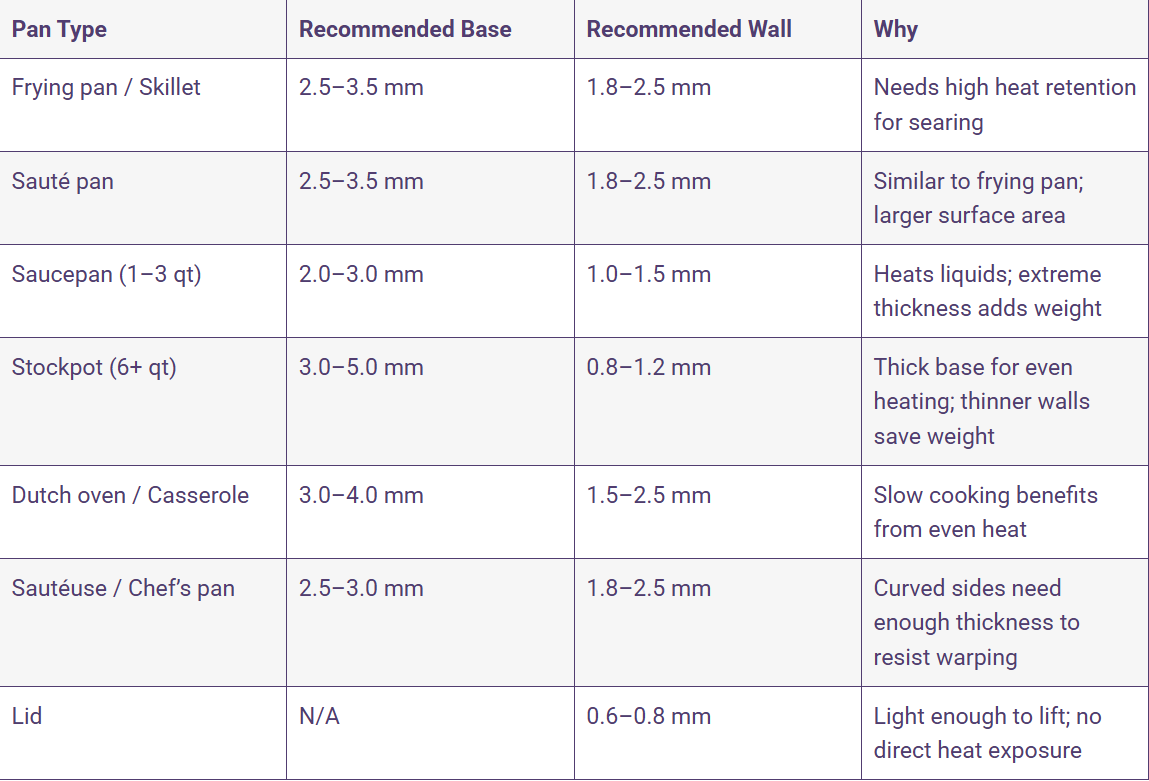
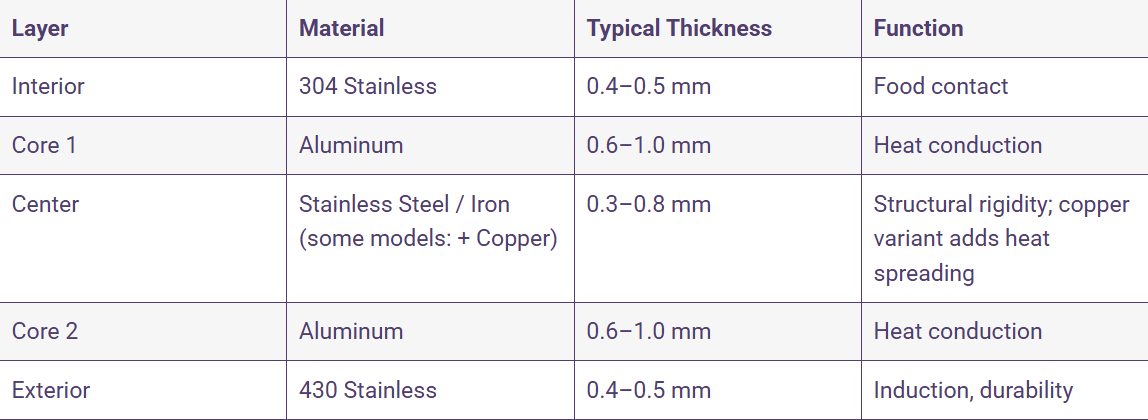
Typical 3-ply construction Total: 1.8-3.0 mm Typical 5-ply construction Common structure: Stainless Steel - Aluminum - Stainless Steel/Iron - Aluminum - Stainless Steel. Some models add a copper layer at the center for enhanced thermal conductivity. Total: 2.3-3.8 mm The aluminum core is the real thickness story In a typical 3-ply pan, the aluminum core is 2-3 times thicker than either stainless layer. This is because aluminum conducts heat roughly 15 times better than stainless steel. The aluminum layer is the thermal engine; the stainless layers are protective cladding. A 2.5mm "thick" pan with a 0.8mm aluminum core will perform worse than a 2.0mm pan with a 1.4mm aluminum core. Total thickness alone doesn't tell you the thermal story. You need the layer breakdown. What to ask your supplier about multi-ply Total thickness Number of layers Material and thickness of each layer Whether the construction is whole-clad (layers extend up the walls) or base-only If a supplier can't give you the layer-by-layer breakdown, you're buying a total thickness number without knowing what's inside it. For base-only designs, see the encapsulated bottom stainless steel cookware sets (https://jincui.com/encapsulated-bottom-stainless-steel-cookware-sets/) range. How Thickness Affects Different Pan Types Not every pan needs the same thickness. A stockpot and a frying pan have fundamentally different jobs. The pattern: pans that sear need thickness. Pans that boil water don't. Pans with large flat bottoms need more thickness to resist warping than pans with small bases. For B2B Buyers: Thickness as a Sourcing Specification When you're specifying thickness in a purchase order or OEM agreement, precision matters. Here's what to include, and what to watch for. What to specify Base thickness at center and edge: Measure at the center of the base (thickest point) and 10mm from the edge (thinnest point). Wall thickness at mid-height: The wall thins slightly from base to rim during forming. Specify mid-height as the measurement point. Tolerance range: Typically ±0.2mm for base thickness and ±0.15mm for wall thickness in quality production. Layer breakdown for multi-ply: Total thickness alone is not enough. Specify individual layer thicknesses and materials. What to watch for "Heavy-gauge" without numbers: A marketing term, not a specification. If the spec sheet doesn't have a number, ask for one. Total thickness without layer breakdown: A 3mm pan could be excellent or poor depending on layer composition. Thickness claims without measurement position: "2.5mm thick" -- where? Base center? Base edge? Wall? Gauge numbers without the metal type: "16 gauge" means different things for different metals. The Minimum Thickness Rule: What's Too Thin From our production experience and returned product analysis, here's where thin becomes a problem: Frying pan: too thin if the base is under 1.8 mm or the wall is under 0.8 mm. Sauté pan: too thin if the base is under 2.0 mm or the wall is under 0.8 mm. Saucepan: too thin if the base is under 1.5 mm or the wall is under 0.6 mm. Stockpot: too thin if the base is under 2.5 mm or the wall is under 0.6 mm. Below these thresholds, you start seeing systematic issues: warping within the first year, denting from normal handling, hot spots that burn food, and the lightweight feel that signals "budget" to a customer who picks up the pan. This isn't to say thinner pans are unsafe or unusable. They're just built to a different price point, and both the retailer and the end customer should understand what they're getting. Frequently Asked Questions Is thicker cookware always better? No. Thickness improves heat retention and warp resistance, but it also increases weight, slows heat-up time, and raises cost. A 3.5mm frying pan is excellent for searing. A 3.5mm stockpot is unnecessarily heavy and slow to boil water. The right thickness depends on what the pan is for, and who's using it. What's the difference between 3-ply and 5-ply in terms of thickness? 5-ply typically adds 0.5-1.0mm of total thickness compared to 3-ply, with the extra layers usually being additional aluminum or a thin copper core. Whether this is worth it depends on the layer composition. A well-designed 3-ply pan with a thick aluminum core will outperform a 5-ply pan with multiple thin aluminum layers. How can I check cookware thickness without special tools? You can't measure thickness precisely without calipers or a micrometer, but you can assess it roughly by weight relative to pan size. A 10-inch (25cm) frying pan that weighs under 1.5 kg is almost certainly on the thin side. One that weighs 2.0-2.5 kg is likely in the 2.5-3.0mm range. Does the thickness of stainless steel affect how quickly it heats up? Yes, and this is where the trade-off lives.
A thicker pan takes longer to reach cooking temperature because it has more metal mass to heat. But once hot, it holds temperature more steadily. Professional cooks generally prefer the thicker option because temperature stability matters more than heat-up speed. Why do some expensive pans feel thinner than cheaper ones? Because they're designed differently. Premium whole-clad cookware often has uniform thickness from base to rim (around 2.0-2.5mm throughout), which can feel "thinner" than a budget pan with a massive 5mm impact-bonded base and paper-thin 0.6mm walls. Judge by performance, not by how thick the base looks. About JC Cookware JC Cookware has manufactured stainless steel cookware since 2003 in Xinhui, Jiangmen. Our production covers whole-clad 3-ply, brazed-base, and impact-bonded constructions across frying pans, saucepans, stockpots, and cookware sets. We provide full layer-by-layer thickness specifications with every OEM/ODM order. Visit our contact page (https://jincui.com/contact-us/) for sourcing inquiries or to request thickness samples.
Source :JC cookware
This article was originally published by IssueWire. Read the original article here.
More News

Groups urge Congress to further increase education budget for 2027
MANILA, Philippines — A national coalition on Friday called on Congress to further increase the proposed government budget for education in 2027 as both chambers prepare for bicam. E-Net Philippines made the pronouncement after the Nov. 24 Senate plenary deliberations where senators called for increased funding for education. READ: Senate approves ₱915.4B DepEd budget for

Pia Cayetano flags risks of ‘flavored air,’ energy drinks to youth
MANILA, Philippines — Sen. Pia Cayetano on Friday raised concerns over the marketing of so-called “flavored air” products and highly caffeinated energy drinks, warning that these could pose health risks to young people. Cayetano raised the concerns during the Senate’s deliberations on the proposed 2027 budget of the Department of Health (DOH) and its attached

Sotto urges DICT to crack down on online sale of abortion drugs
MANILA, Philippines – Senate President Pro Tempore Vicente “Tito” Sotto III on Friday urged the Department of Information and Communications Technology (DICT) to crack down on social media pages or groups selling abortifacients and promoting abortion. Abortifacients are substances or drugs used to induce an abortion or terminate a pregnancy. “There are groups on Facebook

Nov. 27 lotto results: Lone bettor wins ₱44.2M jackpot
MANILA, Philippines—A lone bettor won the ₱44.2 million Mega Lotto 6/45 jackpot on Friday, Nov. 27, while no player won the ₱603.58 million Ultra Lotto 6/58 top prize. According to the Philippine Charity Sweepstakes Office (PCSO), the winning combination for Mega Lotto 6/45 was 33-37-36-26-23-03. READ: Lotto Results Today – November 27, 2026 Meanwhile, no

Legarda urges LGUs to set up free public cooling centers for El Niño
MANILA, Philippines — Sen. Loren Legarda is urging local government units (LGUs) to open free public cooling centers in barangay halls and other accessible community facilities, and partner with shopping malls to provide relief from dangerous heat as a very strong El Niño threatens the health of vulnerable Filipinos. The proposal forms the sixth point of

SPD says driver who fell from Makati building only a reliever
MANILA, Philippines — The 55-year-old driver who fell from a fourth floor parking building along Jimenez Street in Barangay San Lorenzo, Makati City was only a reliever the day of the incident, the Southern Police District (SPD) disclosed. SPD Public Information Officer PLt. Margaret Panaga said that the driver picked up the vehicle parked inside

Manila Water sets desludging schedule for a cleaner holiday season
MANILA, Philippines —Manila Water releases its December desludging schedule for selected barangays in the East Zone of Metro Manila and Rizal, helping households maintain properly functioning septic tanks during the holiday season. The water and wastewater service provider is encouraging customers in scheduled areas to avail of the service before their septic tanks reach full

VP Sara: “Painful small talk” with senators during Senate visit
MANILA, Philippines — Vice President Sara Duterte on Friday shared that she had a “painful small talk” with senators when she went to the Senate on Thursday, emphasizing that being two-faced is a politicians’ national sport. This was the response of Duterte when she was asked about her visit to the Senate for the plenary

Road closures in Manila on Saturday, Nov. 28
MANILA, Philippines — Several roads will be closed in the city of Manila starting Saturday evening, Nov. 28, ahead of a road running event.According to the Manila Public Information Office, the following roads will be closed from 9 p.m. onwards on Saturday due to the AIA Rock and Roll Series Manila on Sunday, Nov. 29:
Tulfo: Unused P104-M Covid-19 syringes expiring in 2027
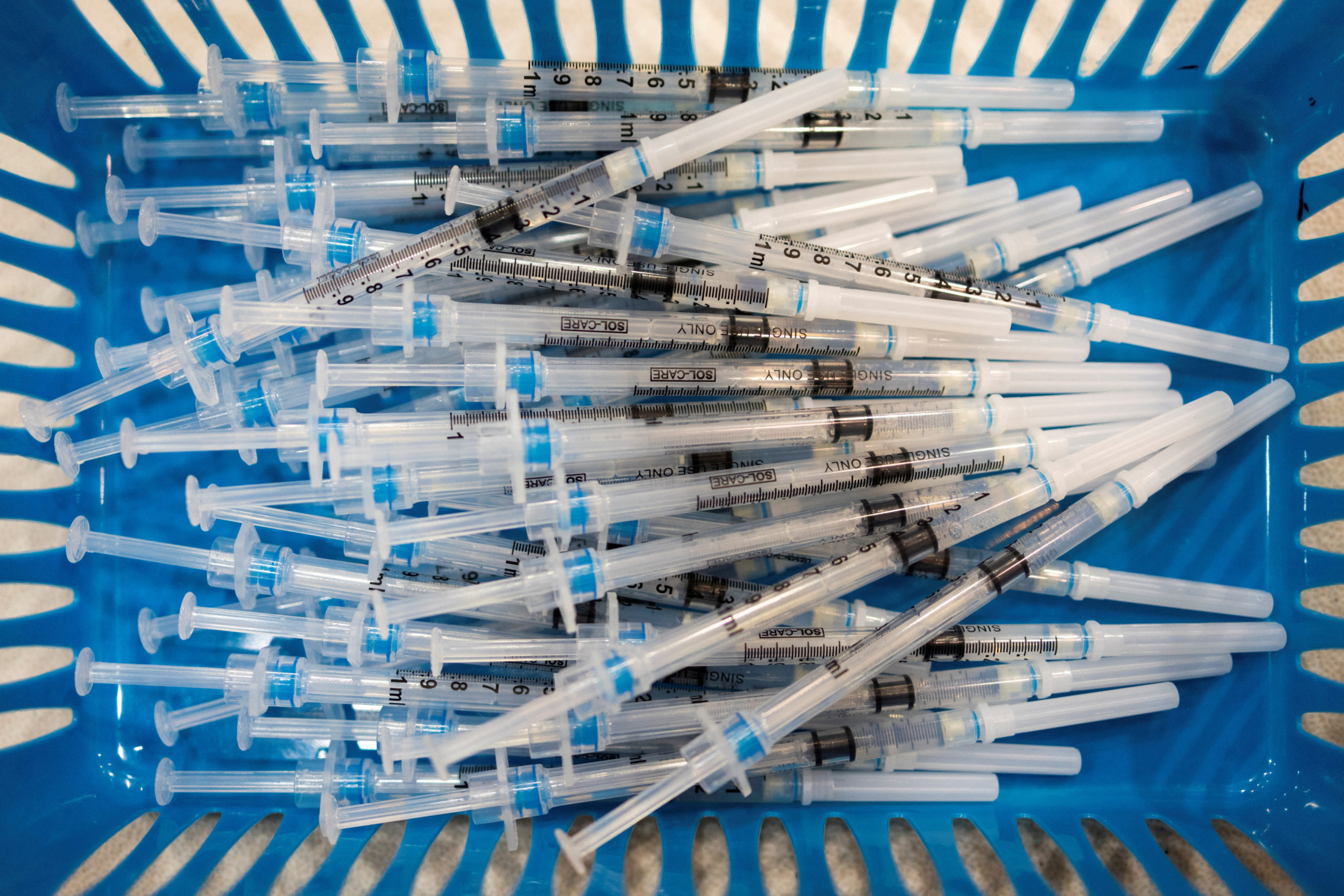
MANILA, Philippines – Approximately P104 million worth of unused vaccine syringes procured by the government during the Covid-19 pandemic is set to expire in 2027, Sen. Raffy Tulfo said on Friday. During the Department of Health’s P274-billion budget deliberations at the Senate, Tulfo discussed the stocks of government-procured medical supplies and medicines left at the

Heavy rain at peak tide leaves Ho Chi Minh City roads under half a meter of water
An hour of rain at peak tide left many Ho Chi Minh City roads under half a meter of water, disrupting traffic on Friday night.
Heavy rain at peak tide leaves Ho Chi Minh City roads under half a meter of water
An hour of rain at peak tide left many streets in Ho Chi Minh City under half a meter of water, disrupting traffic on Friday night.
YOUR NEWS, OUR NETWORK.
Do you have Great News you want to tell the world?
Be it updates about your business or your community, you can make sure that it’s heard by submitting your story to our network reaching hundreds of news sites across 6 verticals.