
Comparing Tread Blocks for Different Jobsite Surfaces
Nov 10, 2026
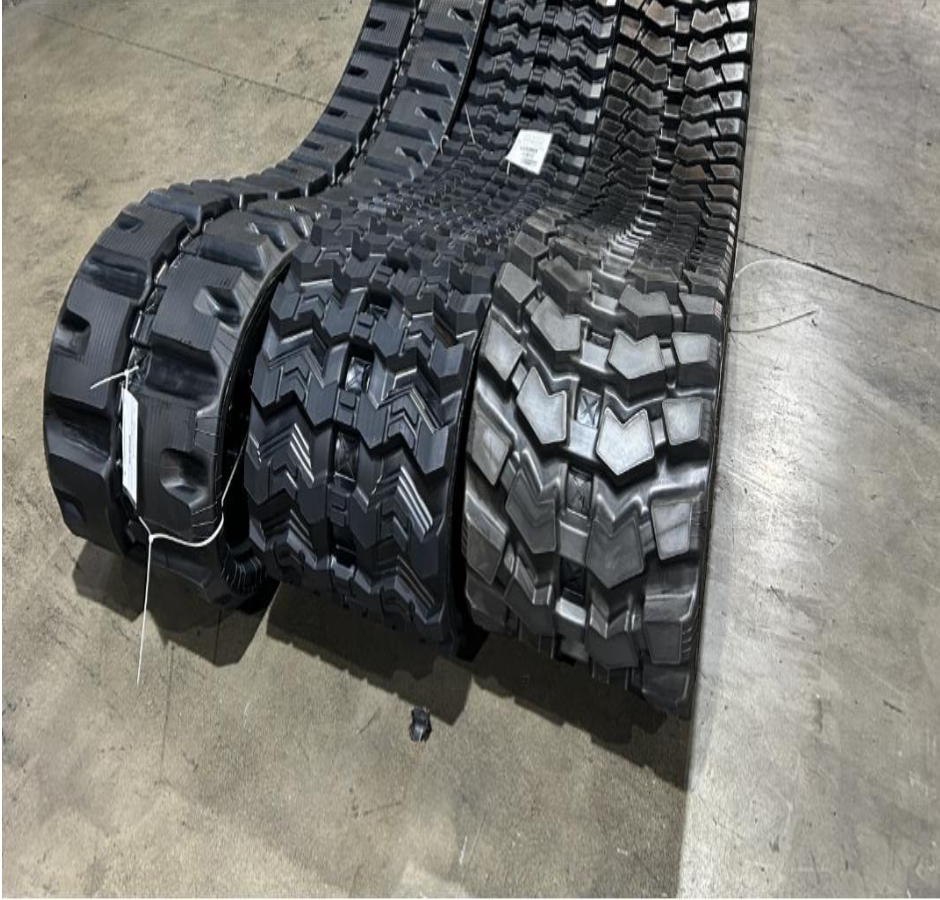
Changzhou, Jiangsu Nov 9, 2026 (Issuewire.com) - Comparing Tread Blocks for Different Jobsite Surfaces
Choosing the right track tread is an application decision. Pattern geometry influences how a machine contacts the ground, but performance also depends on soil condition, machine weight, track construction, operating technique and undercarriage condition. For equipment dealers, fleet managers and contractors, a useful comparison starts with the surfaces machines actually travel over--not with a claim that one pattern is best for every job.
In this guide, we explain how track tread blocks may interact with common jobsite surfaces, and what buyers should verify before ordering. We use general pattern descriptions because manufacturers may name or configure similar-looking treads differently. For product-specific performance, fitment and service information, we recommend checking the supplier's application data for the exact machine and operating conditions.
What tread blocks do
The ground-contact part of a rubber track tread is designed to engage with the surface while supporting machine movement. Raised bars, blocks or other lug arrangements create contact edges and spaces between them. Their shape, spacing, height and orientation affect how the track meets the ground and how material may clear from the tread.
Those features work alongside the track's rubber compound, reinforcement and dimensions. They also interact with the machine's weight, drive system and undercarriage. As a result, two tracks with a similar-looking tread can behave differently, while a pattern that performs well in one soil condition may be less suitable for another.
We advise buyers not to assess tread by appearance alone. Ask what applications the pattern is intended for, what conditions the supplier's guidance assumes, and whether the recommendation is based on the specific machine model and duty cycle.
Match the pattern to the surface
Soft soil and muddy ground can require a tread configuration that is intended to engage loose material and maintain movement under the expected load. More pronounced bars or lugs are sometimes selected for these conditions. However, "more aggressive" does not automatically mean better: soil moisture, composition, slope and debris all affect performance. Material packed into the tread can also change how it contacts the ground.
Firm soil and gravel present a different set of trade-offs. A machine may need dependable grip while travelling over compacted ground, loose stone or a mixture of both. A pattern designed for mixed conditions may be appropriate, but buyers should consider the size and sharpness of the aggregate, travel distance and frequency of turns. Sharp or abrasive material can contribute to wear, even when the tread pattern appears suitable.
Concrete and asphalt demand attention to surface condition and operating technique as well as tread. A track pattern alone cannot guarantee that a paved surface will remain free of marks. Loose grit, sharp debris, tight turns, pivoting and machine load can affect the surface. If finished pavement is part of the route, confirm that the machine and track configuration are acceptable for the project and follow site-specific protection requirements.
Many projects involve more than one surface. A machine may work in soil, cross a gravel access route and then travel over a paved area. In these cases, procurement teams should prioritize the most frequent or most demanding conditions and discuss compromises with the supplier rather than assuming one pattern will optimize every task.
Consider the machine and work cycle
Pattern choice should be considered alongside machine compatibility. For skid steer rubber tracks, buyers should verify the machine make, model and required track specifications before comparing tread options. Skid steers may turn frequently, sometimes in confined spaces, so turning habits and work cycle are relevant to wear and surface impact.
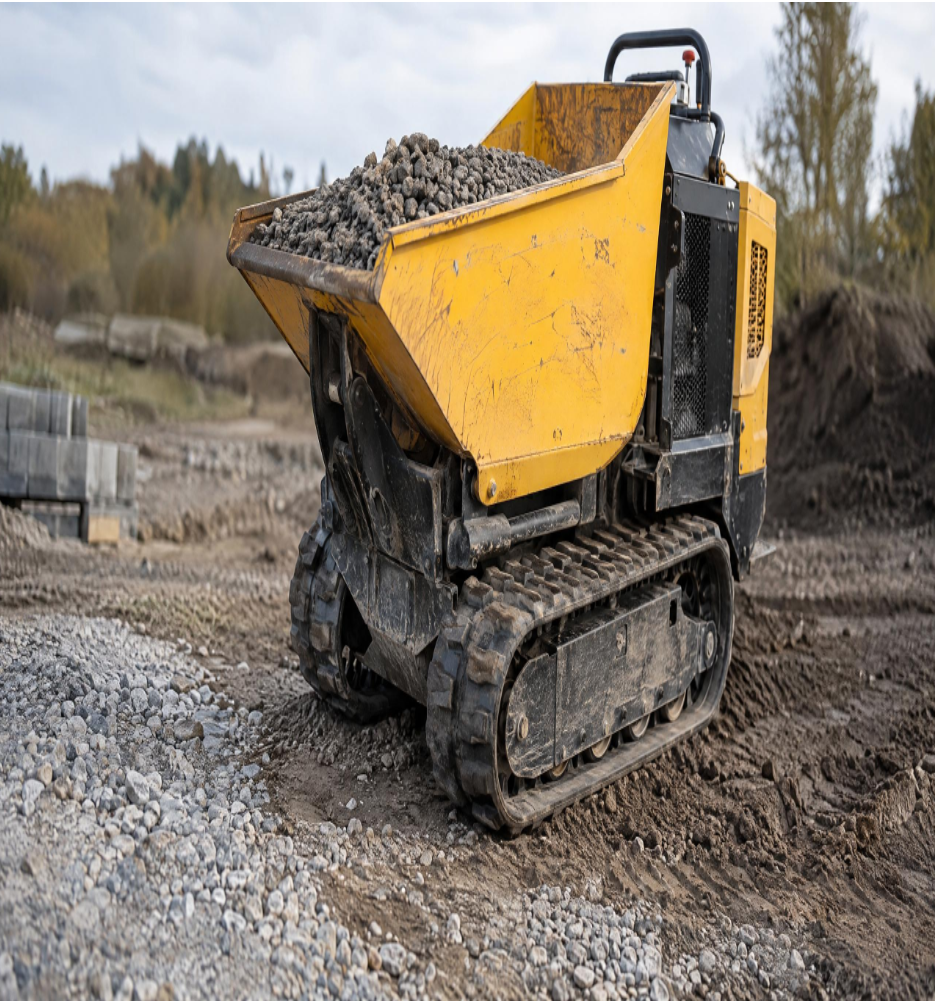
Dumper tracks should be assessed in light of the load they carry, the route they travel and how often they traverse uneven or soft ground. A loaded dumper may place different demands on the track from an unloaded machine or one moving mainly on firm access roads. Fleet managers should describe the typical payload, surface mix, travel distance and slope conditions when requesting a recommendation.
For both machine types, inspect the complete undercarriage when investigating unusual wear or tracking problems. Worn components, debris buildup, incorrect setup or operating practices may contribute to issues that a tread change alone will not resolve. Follow the machine manufacturer's instructions for inspection, adjustment and maintenance; specifications can vary between models.
Balance traction, wear and surface impact
The best tread choice is not necessarily the one with the largest lugs or the most pronounced pattern. Buyers should consider the performance priorities of the operation: movement across the primary surface, ground disturbance, surface marking, ride characteristics, expected wear and downtime. These factors can pull in different directions.
We recommend asking suppliers to explain the intended application and any known limitations of the proposed tread. Request confirmation that the track dimensions and design match the machine. If the fleet has used a different pattern before, share what worked, what did not and under which conditions. Photos of the work surface and existing tracks can help clarify the application, but they should support rather than replace fitment verification.
Track condition should also be monitored after installation. Record operating hours, working conditions and inspection findings, and look for uneven wear, cuts, missing tread material or embedded debris. If damage or abnormal wear appears, have the cause assessed before assuming the pattern is unsuitable. The manufacturer or a qualified service professional can advise on condition and maintenance requirements.
A practical procurement checklist
Before placing an order, we suggest documenting the machine make and model, track dimensions, preferred tread option, typical surfaces, workload and operating priorities. Confirm fitment with the supplier and ask for product-specific guidance on installation, inspection, warranty and replacement availability.
For mixed fleets, keep track specifications and supplier confirmations linked to each machine. Standardizing a tread may simplify purchasing, but only when machines and operating conditions are sufficiently similar. When they are not, a small number of approved configurations may provide a better balance between inventory control and application fit.
Conclusion
Tread blocks are one important part of track performance, but they do not determine suitability on their own. Surface conditions, machine configuration, duty cycle, maintenance and operator practices all matter. We recommend describing the work as accurately as possible and confirming the supplier's recommendation for the exact machine before purchasing.
A systematic comparison helps B2B buyers move beyond visual impressions and evaluate whether a rubber track tread is appropriate for the jobsite, fleet and operating priorities.
Frequently Asked Questions
- Which track tread blocks are best for muddy ground?
There is no universal answer. A supplier may recommend a more pronounced lug design for certain soft-ground conditions, but soil type, moisture, machine weight and workload affect suitability.
- Can one rubber track tread work on both soil and pavement?
Some tracks are used across mixed conditions, but performance involves trade-offs. Confirm the intended surfaces with the supplier, especially when finished pavement must be protected.
- Do skid steer rubber tracks and dumper tracks use the same tread patterns?
Some pattern styles may look similar, but machine requirements and track specifications differ. Confirm compatibility for the exact make, model and application.
- Does a more aggressive tread always provide better traction?
No. Tread performance depends on the ground, track design, machine and operating technique. A more pronounced pattern may not be the best choice for every surface or duty cycle.
- What should I include when asking a supplier to recommend a tread?
Provide the machine make and model, track specifications, surface types, workload, travel distance, turning frequency and any concerns about wear or surface marking. This helps the supplier assess the application.
Source :Gator Track Co., Ltd.
This article was originally published by IssueWire. Read the original article here.
More News

Marcos urged anew: Declare El Niño state of calamity
Senator Francis Pangilinan on Friday urged President Ferdinand "Bongbong" Marcos Jr. anew to declare a state of calamity over the El Niño phenomenon to address budgeting shortfalls.

Worker killed, 8 others hurt in Antipolo City tunnel accident
LUCENA CITY — A male worker was killed while eight others were injured after rocks suddenly fell and struck them inside a tunnel in Antipolo City on Wednesday. The rockslide occurred at 3:20 p.m. inside the main access tunnel of PowerChina’s water and hydropower infrastructure project in Barangay Calawis, the Calabarzon police said on Thursday.

Fashionable presents for sporty princesses
Looking for something stylish to get your athletic friends? We’ve got you covered

Going the extra mile: A gift guide for runners
From a new pair of running shoes to a little stash of their favorite energy gels, here are some gifts runners will actually put to good use
Crowded trains and full parking lots mark HCMC metro's 2nd year
Nearly two years into operation, Ho Chi Minh City's first metro line is drawing long queues of commuters, packed carriages during rush hour, and full parking lots.
Fly FM DJs apologise for solat-themed Man Utd video
They regret the video and call it a terrible mistake.

PNP: ‘Digital predator’ influenced student who stabbed 2 others
MANILA, Philippines — The police have started looking for the alleged online groomer or “digital predator” who reportedly encouraged a 12-year-old student at Kalayaan Elementary School in Caloocan City to stab two other students with a kitchen knife on Nov. 25. “I have ordered the PNP Anti-Cybercrime Group to immediately trace, identify and hunt down
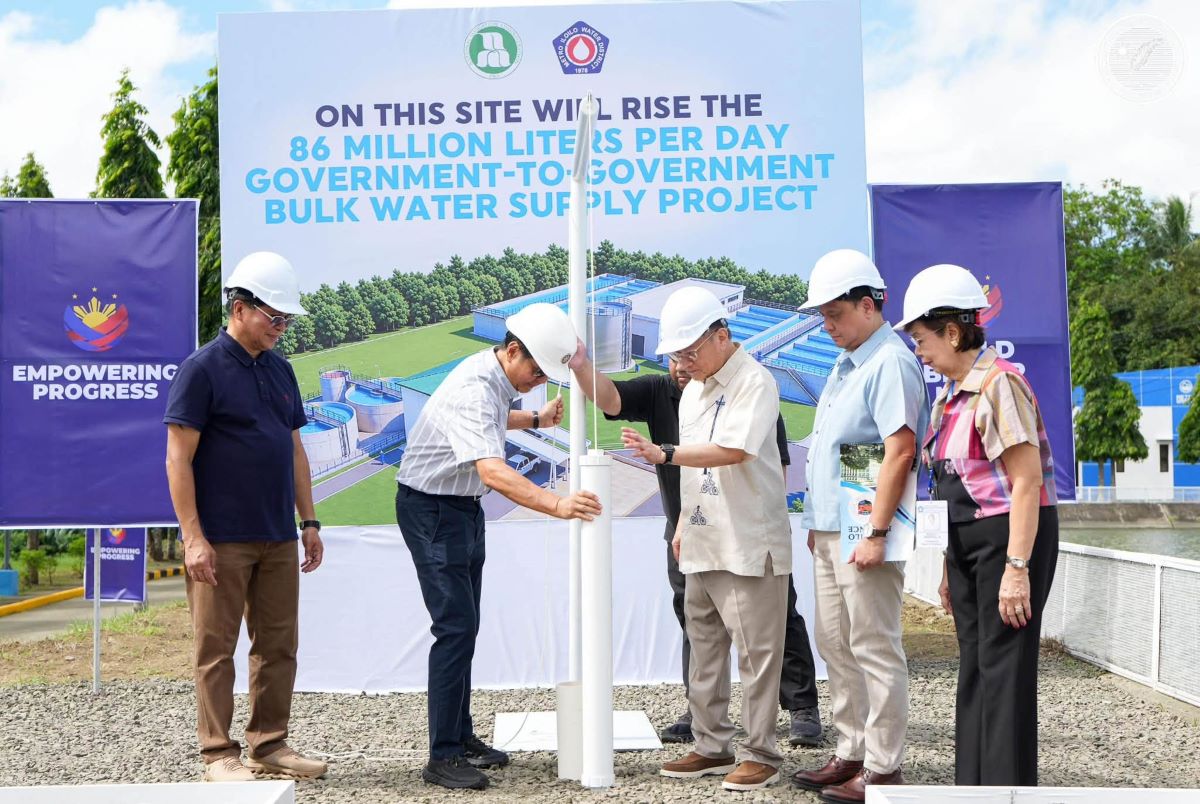
Marcos breaks ground on P2.2-B water supply project in Iloilo City
President Ferdinand "Bongbong" Marcos Jr. broke ground Friday on the P2.2-billion Jalaur Bulk Water Supply Project in Sta. Barbara, Iloilo, which is expected to deliver up to 86 million liters per day upon completion.

Zubiri flags lost tourism earnings from flight transfers
MANILA, Philippines — Senate Majority Leader Juan Miguel “Migz” Zubiri on Thursday described as “alarming” the billions of pesos in potential tourism revenues lost by Palawan and Siargao after turboprop flights to these top tourist destinations were moved from Ninoy Aquino International Airport (Naia) to Clark International Airport in Pampanga. Citing reports from the Department

Ministry to assist Tanjong Sepat pig farmers' transition to other businesses
Alternative businesses include cattle farming, agriculture, cash crop farming, and others.

VP Sara Duterte’s dentist expected as next defense witness
MANILA, Philippines — Dr. Lourdes Lebosada, the dentist of Vice President Sara Duterte and said to be a former co-owner of controversial banana chips company Cale88 Foods Corp., is expected to take the stand when her Senate impeachment trial resumes next week. A copy of the defense team’s list of next witnesses, shared with the

Ombudsman orders graft raps vs 3 ex-Landbank officials, trader
MANILA, Philippines — The Office of the Ombudsman on Thursday ordered the filing of graft charges against three former officials of the Land Bank of the Philippines and a businessman for giving “unwarranted” preference to a company over loan approval and renewal. In a statement, the Ombudsman identified the accused as former Landbank First Vice
YOUR NEWS, OUR NETWORK.
Do you have Great News you want to tell the world?
Be it updates about your business or your community, you can make sure that it’s heard by submitting your story to our network reaching hundreds of news sites across 6 verticals.